Author: Zoya Alam Alliance University, Bengaluru
Abstract
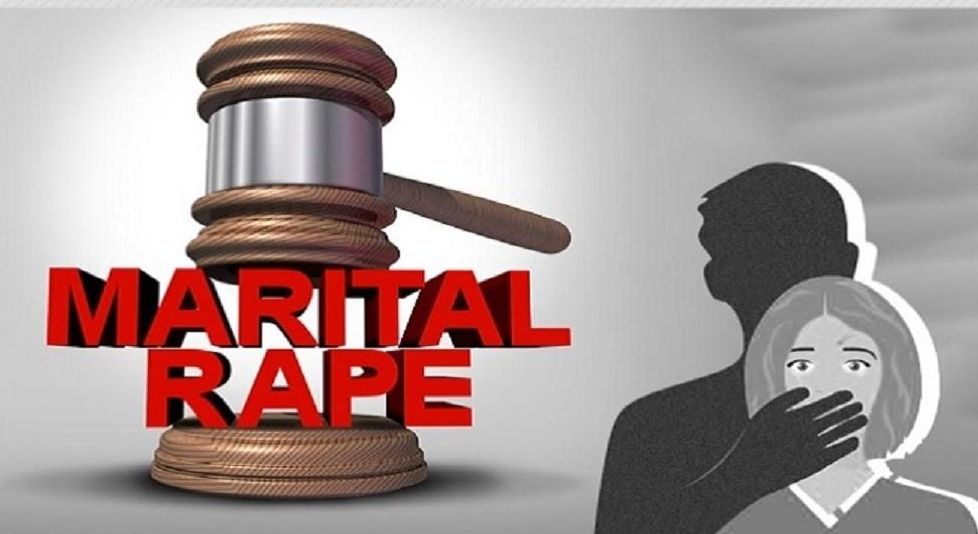
This paper examines how marital rape in India has been criminalised using constitutional requirements and criminal justice principles. It looks at the compatibility of the marital rape exception and the current understanding of consent and equality. The article focuses on the intent and judgment of the legislature, comparative criminal law, which necessitates the adoption of the similar criminal law to state that the ongoing exemption of women is an insult to their dignity and a breach of basic rights. The paper then comes up to a conclusion, which is the advocacy of the changes in the legislation in accordance with the constitutional values and the international human rights requirements.
To the Point
Marital rape is one of the most debatable questions of the Indian criminal law. Although judicial awareness in the Indian Penal Code (IPC) on the autonomy of the female body has advanced, exception 2 of section 375 still provides husbands with an exception to rape of their wives when they are beyond a specified age. The exception was maintained with the enactment of the Bharatiya Nyaya Sanhita, 2023 (BNS), and controversy around consent, equality and personal liberty has resurfaced. This paper is a critical examination of criminal legal framework and statute of marital rape, the constitutional issues, as well as the trend judicial and the need to reform.
Use of Legal Jargon
Marital rape is a matter that cuts across penal responsibility, constitutional righteousness, bodily agency, consent jurisprudence, and gender justice. Marital rape exception has been criticized because it is considered as against Articles 14, 15 and 21 of the Constitution. It casts doubt on the issue of reasonable classification, substantive equality, state responsibility to criminalise private harm and harm-based criminalisation in contemporary penology.
The Proof
Section 375 IPC spells out rape but provides an exception to cases where a man commits sexual intercourse with his own wife, who is not under the age of 18 years. Such an exception is legalisation of non-consensual sexual act in marriage.
According to Statistical data of NCRB reports:
A considerable proportion of sexual abuse in women is related to domestic relationship.
Social stigma and non-recognition of laws are leading to underreporting.
Medical jurisprudence and criminological research determine that, forced sexual intercourse in marriage results in physical damage, psychological injuries, and long-term emotional damages that are comparable to non-marital rape.
Case Laws
Independent Thought v. Union of India
Exception 2 to Section 375 IPC was interpreted by the Supreme Court as it narrowed 2 to 18 years old, as the age of consent in marriage as marriage does not imply blanket consent.
Justice K.S. Puttaswamy v. Union of India
Appreciated bodily autonomy and decisional privacy as part of Article 21, which directly affected consent-based offences.
Joseph Shine v. Union of India
Overruled Section 497 IPC, that marriage should not be a reason to refuse sexual autonomy and equality.
R v. R
The House of Lords criminalized marital rape in the UK denying the idea of the irrevocable spousal consent.
Conclusion
The preservation of the marital rape exception is a sign of the archaic concept of marriage as an everlasting license of sexual accessibility. Criminal law basing on the right to bodily integrity and consent cannot be selectively applied according to marriage status. With the increasing acceptance of the Indian jurisprudence of autonomy, dignity, and equality, it is constitutionally impermissible that the Indian jurisprudence still excludes marital rape, even after penal consequences. It is necessary that the legislative intervention should be made to bring the criminal law into line with the constitutional principles and international principles of human rights.
FAQS
Q1. Is it a crime in India to rape a wife?
At present even adult wives are not criminalised on marital rape under the exception 2 of section 375 IPC.
Q2. Is there any consent issue in marriage?
Yes. The legal decisions acknowledge the consent as the key in sexual intercourse regardless of whether the couple is married.
Q3. What makes the exception unconstitutional?
It goes against equality, dignity, and personal liberty in Articles 14 and 21.
Q4. Is any nation that has made marital rape a crime?
Yes. It has been criminalised in several countries such as UK, Canada, and Australia.
Q5. What reforms are suggested?
Disbanding of the marital rape exception, gender-neutral recruitment, protection against abuse and victim-oriented processes.