Author- Tanya Verma, Indore Institute of law
To the Point
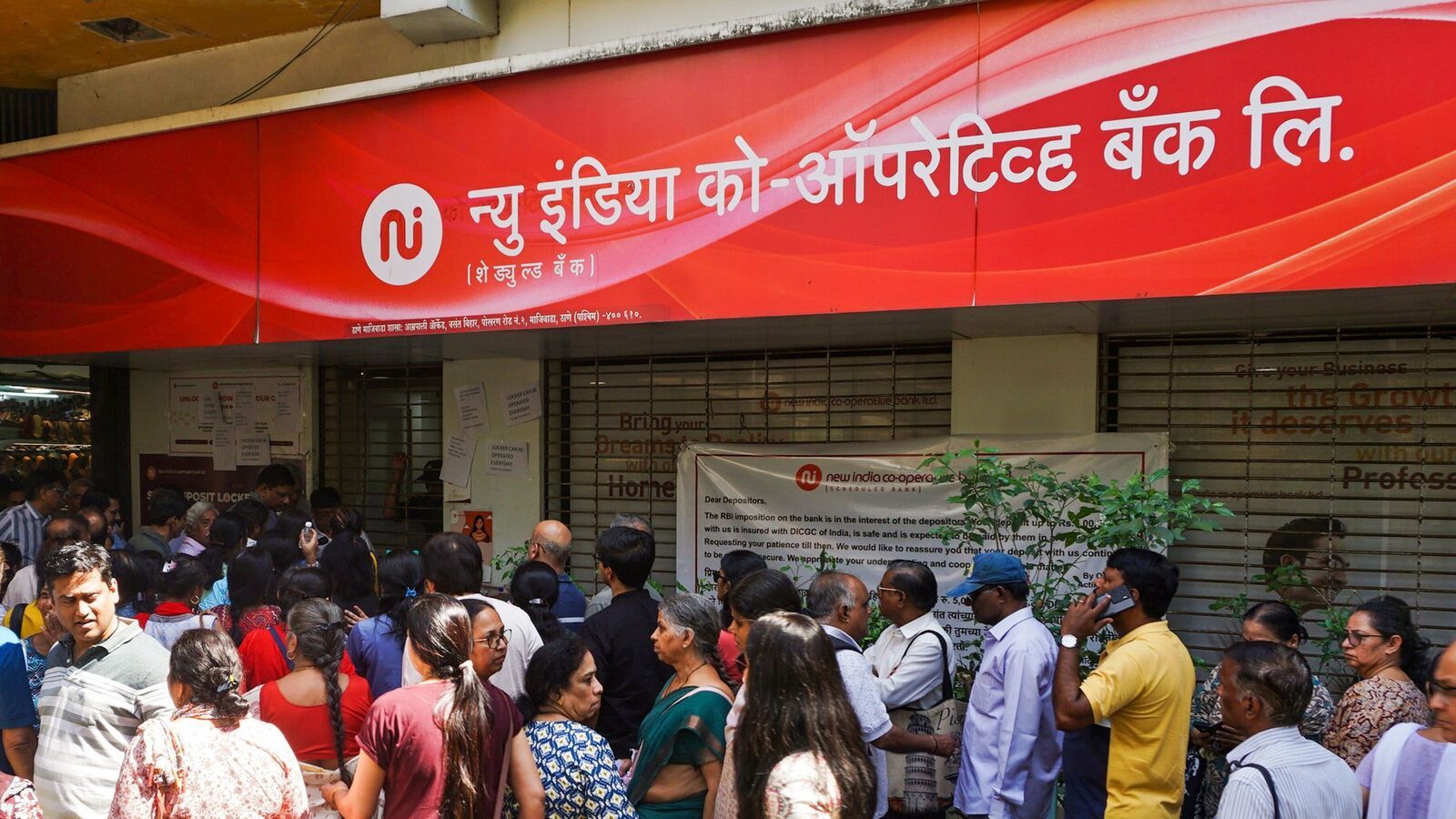
Following an RBI inspection (February 2025), alleged misappropriation and diversion of funds of about ₹122 crore at New India Co-operative Bank were detected. Senior bank officers including the General Manager (Hitesh Mehta) and head of accounts and multiple outsiders were arrested and named in an EOW chargesheet; statements were recorded by Enforcement Directorate (ED) teams and Mumbai Police investigators. Funds were allegedly siphoned from bank safes and accounts over a number of years and routed through borrowers, third-party entities and, according to some disclosures, to overseas entities linked to the bank’s chairman.
The conduct, as charged, prima facie falls within the ambit of offences under the Indian Penal Code notably Section 409 IPC (criminal breach of trust by a banker/agent), Section 420 IPC (cheating), and Section 120B IPC (criminal conspiracy) and may trigger the application of economic-crime special statutes where money-laundering elements are detected (such as PMLA and ED proceedings). The EOW’s filing of the chargesheet and the ED’s recording of statements demonstrate that the investigation is proceeding along both penal and financial-regulatory trajectories.
Use of Legal Jargon
Criminal breach of trust (Section 409 IPC): Aggravated form of breach applied where the accused is a banker (or agent) entrusted with property and dishonestly misappropriates or converts it. Punishable with rigorous imprisonment (which may extend to life) and fine.
Cheating (Section 420 IPC): Deception resulting in delivery of property or valuable security. Often charged alongside breach or misappropriation where false documents/representations enabled diversion.
Criminal conspiracy (Section 120B IPC): Liability for those alleged to have conspired to execute the misappropriation.
Chargesheet / FIR / EOW: Procedural instruments EOW files the chargesheet after investigation; FIR/chargesheet forms the basis for trial.
PMLA / ED read-across: If proceeds are laundered, the Proceeds of Crime and PMLA may be invoked for attachment and prosecution; ED commonly records statements in such case.
The Proof
The alleged financial irregularities came to light pursuant to a supervisory inspection conducted by the Reserve Bank of India in February 2025, during which discrepancies within the New India Co-operative Bank’s branch operations were flagged. Subsequent media and enforcement disclosures indicate that the purported diversion and misappropriation of funds amount to approximately ₹122 crore, as reported by leading financial dailies. Investigations have identified several individuals, including senior management personnel most notably the General Manager and the head of accounts who have been placed under arrest, along with various external participants such as borrowers and purported beneficiaries. The Economic Offences Wing has already submitted a chargesheet in the matter, while the Enforcement Directorate has recorded statements of multiple accused persons as part of parallel inquiries. Reports further outline that the alleged modus operandi involved systematic removal of cash from bank vaults over several years, the falsification or manipulation of accounting and loan documents, and the diversion of funds to third-party accounts and, allegedly, to offshore entities connected with senior office-bearers. Procedurally, the matter has progressed through continued arrests, supplementary FIRs concerning associated loan-based frauds, judicial consideration of bail applications, and the deployment of forensic investigative tools including advanced cognitive and analytical techniques to strengthen evidentiary findings.
Abstract
A major alleged embezzlement at New India Co-operative Bank surfaced in early 2025 after a Reserve Bank of India inspection. The Mumbai Economic Offences Wing (EOW) and other agencies have investigated diversion of roughly ₹122 crore from bank vaults and accounts over multiple years, leading to arrests, an EOW chargesheet and recorded statements by accused persons. This article provides a precise legal and factual account of the affair, highlights the controlling offences and statutes, cites the primary investigative actions and press disclosures, surveys relevant case law on criminal breach by bankers, and suggests remedial and regulatory steps going forward.
Case Laws
Rama Narain Popli v. CBI (AIR 2003 SC 2748):
Clarified that “criminal breach of trust” under Section 409 IPC involves “wrongful appropriation of property that was lawfully entrusted.” The Court distinguished criminal breach from theft and noted the special treatment when the entrusted person is a banker, agent, public servant, etc.
R. K. Dalmia v. Delhi Administration (trial principles relating to fabrication and fraud):
Courts have found fabrication of documents to conceal a prior fraud as a pointer to guilty knowledge/intent; such reasoning is relied upon where bank officials fabricate or falsify records to mask diversion.
Ghasiram Agarwalla v. State:
A precedent where transaction defences (sale/passing of property) were rejected and Section 409 conviction sustained; useful to show that commercial colour alone does not negate criminal breach when evidence shows misappropriation.
Conclusion
The New India Co-operative Bank matter is a high-value alleged embezzlement case (≈₹122 crore) involving senior internal officers and external collaborators. Enforcement agencies (EOW, ED) have progressed arrests, recorded statements and filed a chargesheet; investigative leads include cash withdrawals from safes, diversion through borrowers/companies and possible routing abroad. The facts reported by RBI and media create strong prima facie material for criminal and regulatory action, but conviction will depend on the prosecution’s ability to assemble an unbroken chain of documentary and forensic evidence satisfying elements of Sections 409/420/120B and, where invoked, PMLA offences.
FAQs
Q1: Is ₹122 crore the final confirmed loss?
A: ₹122 crore is the figure widely reported in investigative filings and media coverage as the alleged embezzlement amount; final loss quantification may change after forensic reconciliation and recovery tracing.
Q2: What criminal provisions are likely invoked?
A: Primarily Section 409 IPC (criminal breach of trust by banker/agent), Section 420 IPC (cheating), Section 120B IPC (criminal conspiracy), and possible provisions under PMLA if laundering is established.
Q3: Can depositors get their money back quickly?
A: Recovery in criminal cases is typically slow. Deposit insurance (where applicable) and civil restitution actions might provide partial relief earlier; asset freezing under PMLA may help secure proceeds for eventual distribution.
Q4: What burden must prosecution meet to prove Section 409?
A: The prosecution must prove (a) entrustment/dominion over the property by the accused in his capacity as banker/agent; and (b) dishonest misappropriation or conversion. The courts rely on documentary and circumstantial evidence to establish dishonest intent.
Q5: Does RBI have a role beyond inspection?
A: Yes. RBI’s supervisory findings can trigger directions, moratoria, or governance actions for cooperative banks and will coordinate with state registrars and law enforcement for systemic safeguards.