Author: Ishanvi Tiwari, Bennett University
INTRODUCTION
The Punjab National Bank scam stands as an indelible blemish on the landscape of Indian banking- a financial debacle that reverberated through the nation’s economic arteries and shook the market confidence to its core. Unveiled in January 2018, the scam’s magnitude, audacity, and implications of its unravelling continue to intrigue financial analysts, scholars, and governance experts.
The Scam Unveiled: Timeline and Mechanism
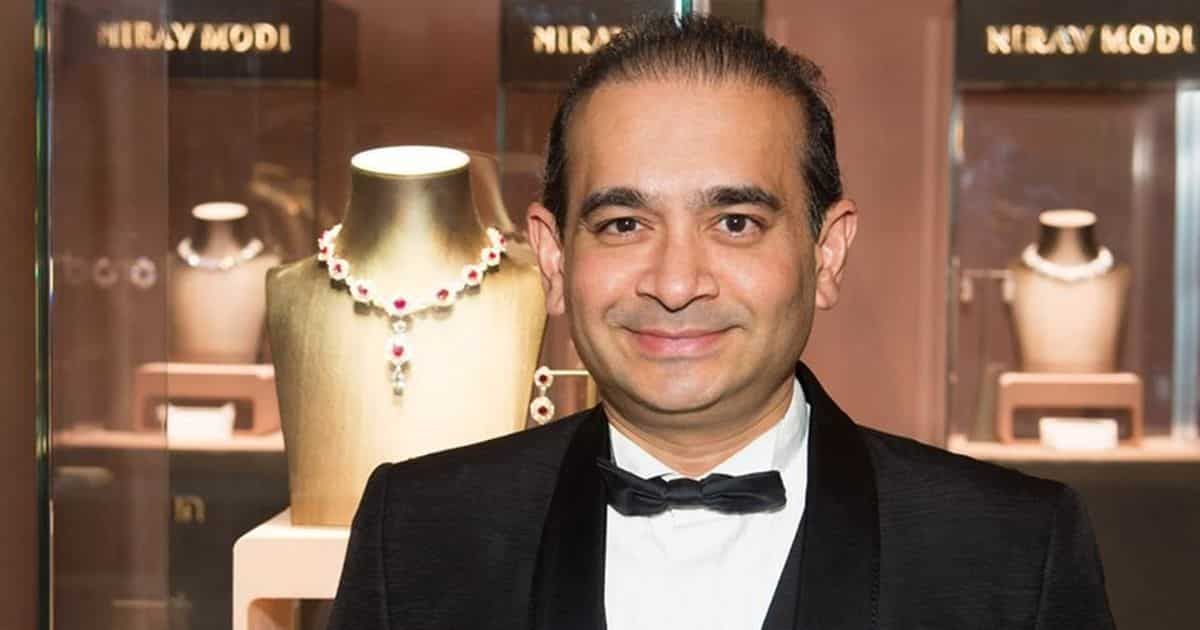
At the epicentre of this financial cataclysm were diamond merchants Nirav Modi and Mehul Choksi, whose orchestrated scheme exploited regulatory vulnerabilities within PNB’s Brady House branch, Mumbai.
Their stratagem relied upon fraudulently secured Letters of Undertaking (LOUs) -bank guarantees purportedly used for colluded to issue these instruments outside the bank’s core banking system, leveraging **SWIFT* (Society for Worldwide Interbank Financial Telecommunication) messages that bypassed internal monitoring protocols.
From 2014 to 2017, more than 13,000 crores in fraudulent loans were routed to entities owned by Modi and Choksi. The lack of integration between from 2014 to 2017, more than ₹13,000 crore in fraudulent loans were routed to entities owned by Modi and Choksi. The lack of integration between PNB’s core banking software and the SWIFT network enabled this sophisticated chicanery to span several years undetected.
Anatomy of the Fraud: Systemic Loopholes
SWIFT, designed for frictionless cross-border transactions, became the conduit for the scam as unscrupulous officials issued LOUs without requisite collateral. These guarantees, recorded only through SWIFT and not in the core banking system, became invisible to regular audits and supervisory checks. The banks overseas, reliant upon PNB’s attested guarantees, released substantial credit to Modi and Choksi-controlled entities, resulting in massive unrecovered loans when the fraud was later exposed.[1]
How Was the Scam Discovered?
The subterfuge unravelled when a newly inducted PNB employee detected anomalous patterns in LOU issuance. Further internal investigation exposed multiple years’ worth of unauthorized guarantees, leading to the suspension and arrest of involved personnel, notably Gokul Nath Shetetty and Manoj Kharat, both pivotal actors in authorising fraudulent transactions. The disclosure snowballed into a full-blown probe by the Central Bureau of Investigation (CBI) and the Enforcement Directorate (ED).
Legal Actions and Asset Recovery
With the scam coming to light, authorities initiated a barrage of legal interventions:
– *FIRs and Arrests: BI filed cases against Nirav Modi, Mehul Choksi, and implicated PNB officials.[1]
– *Asset Seizures: Through the ED, vast swathes of properties, jewellery, luxury assets, and bank accounts linked to the perpetrators were confiscated.[2][1]
– *Fugitive Economic Offenders Act (2018): * This landmark legislation enabled the government to declare Modi and Choksi fugitive economic offenders, permitting asset seizures across borders regardless of their domicile
Recent years have witnessed continued judicial proceedings, extradition efforts, and high-profile auctions of confiscated assets to recoup bank losses.[2]
Fallout: Impact on Banking, Economy, and Society
The ramifications of the PNB scam were seismic, both economically and socially:
– *Stock Market Rout:* Punjab National Bank’s revelation of fraud eviscerated its stock value, inducing sector-wide panic. Shares of other public sector banks (PSBs) like SBI, Bank of Baroda, and Allahabad Bank also plummeted as investor confidence eroded.[1]
– *Erosion of Investor Trust:* Institutional and retail investors re-evaluated risk appetite for banking and jewelry stocks, with foreign investors limiting their exposure to Indian PSBs.[1]
– *LIC and Public Trust:* Even stalwarts like LIC faced a sudden downturn in portfolio value due to substantial holdings in PNLIC and Public Trust:* Even stalwarts like LIC faced a sudden downturn in portfolio value due to substantial holdings in PNB, prompting scrutiny of their investment strategies and exposing policyholder vulnerabilities to systemic banking risks.[1]
– *Jewelry Sector Repercussions:* Companies associated with Modi and Choksi beheld catastrophic reputational and financial losses, impacting exports and global standing of Indian jewellers.[1]
– *Wider Economic Consequences:* The scandal exacerbated the prevailing non-performing asset (NPA) crisis, strained fiscal balances, and posed questions about the resilience of regulatory frameworks protecting taxpayer money.[1]
Regulatory and Governance Lapses
The scandal shone a spotlight on the porous nature of bank governance in India. The integration gap between SWIFT and core banking systems allowed substantial operational opacity. Furthermore, fragmented audit processes failed to triangulate the discrepancies, even as multiple firms reviewed PNB’s operations over successive years.[2][1]
Reforms and Preventive Measures
In response, regulatory agencies accelerated the overhaul of internal controls, mandating:
– Direct linkage between SWIFT and core banking modules.[1]
– Advanced audit mechanisms, with thematic focus on transactional anomalies and workflow oddities.
– Comprehensive governance over high-value transactions and overseas banking operations.
– Enhanced supervisory vigilance from the RBI and statutory authorities, embracing a shift from procedural compliance to substantive oversight.[1]
Societal and Global Ripples
The *PNB scam* resonated beyond India’s borders, prompting global creditors to question the reliability of Indian guarantees and demand higher compliance standards. Domestically, it honed public consciousness about the interconnectedness of banking, insurance, and mutual fund sectors, engendering a climate of caution among both policyholders and investors.[1]
Lessons Learned: Imperatives for Stakeholders
The affair underscores:
– The necessity for *technological integration* between all banking subsystems.
– The importance of *robust, recurring audits* and transparent operational workflows.
– The value of *corporate governance*—where accountability and ethical stewardship are not mere slogans, but essential expectations.[1]
– An unambiguous, coordinated response from regulators, promoting systemic integrity and safeguarding depositor interests.[1]
The Road Ahead
Though corrective actions have been implemented, the PNB scam remains a cautionary tale for the entire financial ecosystem. Vigilance must remain a perennial priority, as regulatory protocols are only as strong as their practical enforcement. The continuous evolution of fraud tactics necessitates adaptive countermeasures—a lesson immeasurably vital in a digitised financial future.[2][1]
Conclusion
The Punjab National Bank scam exemplifies the peril of systemic negligence, collusive fraud, and insufficient oversight in banking operations. As India continues its ascent on the global economic stage, the lessons drawn from this fiasco must foster a culture of transparency, accountability, and relentless innovation in risk management. Only then can public confidence and institutional resilience be truly restored.
FAQS
Q1.What is the PNB scam?
The PNB scam refers to a massive banking fraud, unearthed in January 2018, involving fraudulent Letters of Undertaking (LoUs) issued by Punjab National Bank at its Brady House branch, Mumbai, to benefit companies linked to jewellers Nirav Modi and Mehul Choksi.
—
2. Who are the key accused?
Nirav Modi – Diamond merchant.
Mehul Choksi – Owner of Gitanjali Gems.
PNB officials – Including deputy manager Gokulnath Shetty and employees who bypassed core banking systems.
—
3. How was the fraud carried out?
PNB officials issued unauthorized LoUs on the SWIFT system without entering them into the bank’s core system.
These LoUs were used to get foreign credit from overseas banks for importing diamonds.
The loans were never repaid, leading to huge losses for PNB.
—
4. What is the estimated loss?
Around ₹13,000 crore (USD ~2 billion), making it India’s largest banking fraud at the time.
—
5. What is a Letter of Undertaking (LoU)?
A LoU is a bank guarantee used in international banking to assure overseas lenders that the issuing bank will meet a customer’s payment obligations.
—
6. Which laws were violated?
Prevention of Corruption Act, 1988
Prevention of Money Laundering Act (PMLA), 2002
Indian Penal Code (IPC), 1860 – cheating, criminal breach of trust, forgery, conspiracy.
Banking regulations under RBI guidelines.
—
7. What was the role of RBI and other banks?
RBI had directed banks to link SWIFT with core banking, but PNB staff bypassed it.
Other Indian banks, like Allahabad Bank and Axis Bank, provided foreign credit based on PNB’s fraudulent LoUs.
—
8. What actions did the government take?
Enforcement Directorate (ED) seized properties of Nirav Modi and Mehul Choksi.
Interpol red notices issued against them.
Extradition requests filed with UK (for Nirav Modi) and Antigua (for Mehul Choksi).
—
9. What is the current status (as of 2025)?
Nirav Modi – Fighting extradition in UK; courts have ruled in favour of extradition but appeals continue.
Mehul Choksi – Escaped to Antigua (citizenship obtained); facing extradition proceedings.
Several PNB officials have been chargesheeted and jailed in India.
10. What reforms followed this scam?
Mandatory integration of SWIFT with Core Banking System.
Stricter auditing and compliance in public sector banks.
Government push for recapitalization of PSBs.
RBI ended the practice of issuing LoUs for trade finance in 2018.
[1]https://plutuseducation.com/blog/pnb-scam/
[2]https://www.business-standard.com/about/what-is-pnb-scam