Author: Vanshika Mulchandani, Prestige Institute of Management and Research, Department of Law, Indore
LinkedIn link: https://www.linkedin.com/in/vanshika-mulchandani-6630833a1?utm_source=share_via&utm_content=profile&utm_medium=member_ios
To the point:
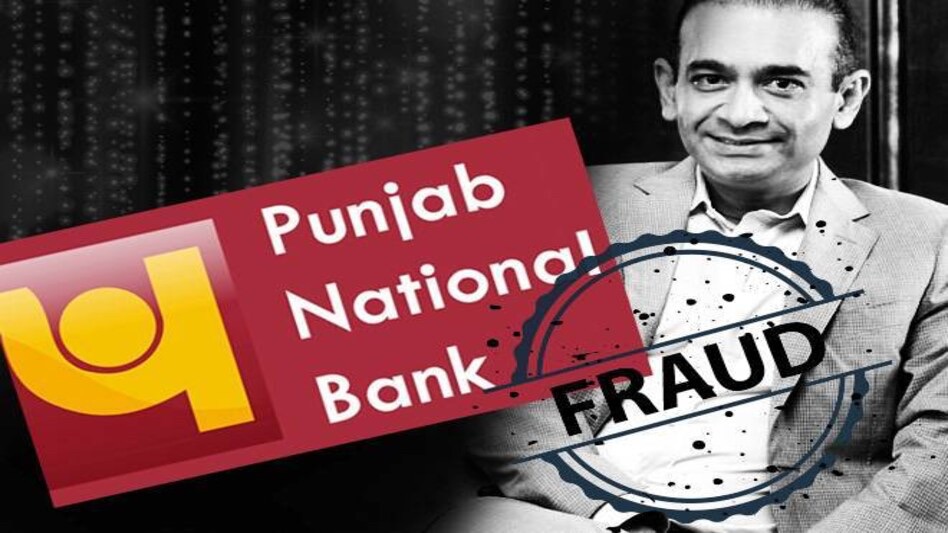
The Punjab National Bank scam, also known as thePNB scam, was exposed in 2018 and regarded asIndia’s largest banking fraud. The scam began withletters of Undertaking (LOUs) issued by officials of Punjab National Bank in Mumbai. The fraud involving approximately Rs 13,000 crore was masterminded by Businessman Nirav Modi and his uncle Mehul Choksi, along with several other officials of Punjab National Bank. A Letter of Understanding (LOUs) is a financial commitment by a bank to repay another bank if the borrower fails to do so, so it carries serious legal and financial liability.
This scam exposed serious omissions in banking supervision, regulatory compliance, and internal control. It led to serious criminal investigations, proceedings, and reforms in banking regulation to toughen up financial accountability. PNB scam led to extensive investigation by agencies such as the Central Bureau of Investigation (CBI), the Enforcement Department (ED), and the Serious Fraud Investigation Office (SFIO).
Use of legal jargon:
The PNB scam involved several allegations of Cheating, forgery, criminal conspiracy, forgery for the purpose of cheating, criminal breach of trust, and dishonest misappropriation. The legal concept and statutory violations involved in the PNB scam were-
• Criminal Conspiracy- An agreement between two or more parties to commit an illegal act under section 120B of the Indian Penal Code (IPC), 1860.
• Cheating and Dishonest Inducement-Fraudulently including a person or institution to deliver property under section 420 the Indian Penal Code.
• Criminal Breach of Trust- Dishonest misappropriation of entrusted property under sections 405 and 409 of the Indian Penal Code.
• Forgery and Falsification of Records- Creation or manipulation of documents with the intent to deceive under sections 463, 468, and 471 of the Indian Penal Code.
• Money Laundering- Concealing proceeds of crime under the Prevention of Money Laundering Act, 2002 (PMLA).
• Corruption by Public Servants- Abuse of official position for unlawful gain under the Prevention of Corruption Act, 1988.
• Letters of Undertaking (LOUs)- Bank guarantees issued to facilitate overseas credit transactions.
• Vicarious Liability- Liability imposed on organizations for acts committed by employees within the scope of their employment.
The Proof:
Background of the Scam
The Punjab National Bank scam came to light in January 2018 when officials of Punjab National Bank discovered unauthorized Letters of Undertaking issued by employees at the Brady House Branch in Mumbai. Nirav Modi and Mehul Choksi, through their companies, allegedly obtained fraudulent Letters of Undertaking (LOUs) from bank officials without following any prescribed procedures.
Normally, issuance of a Lou requires-
1. Adequate collateral or margin money.
2. Entry into the bank’s Core Banking System (CBS).
3. Authorization through SWIFT (Society for Worldwide Interbank Financial Telecommunication).
The fraud remained undetected for several years because the transactions were hidden from the bank’s official accounting system. When new officials askedfor fresh security in 2018, the irregularities surfaced, leading to a larger-scale investigation.
Facts of the scam:
A Letter of Undertaking (LOU) is a bank guarantee that enables customers to obtain short-term credit from overseas branches of Indian banks. In this case, certain Punjab National Bank officials allegedly issued Letter of Undertaking (LOUs) to companies linked to Nirav Modi and Mehul Choksi without obtaining sanctioned limits or recording the transactions in the bank’s Core Banking System. since the liabilities were unrecorded, the scam was undetected for several years.
Investigation:
The Central Bureau of Investigation registered multiple FIRs against Nirav Modi, Mehul Choksi, Bank officials, and associated companies. The Enforcement Directorate initiated proceedings under the Prevention of Money Laundering.
Nirav Modi fled India before the scam was publicly disclosed and was later arrested in the United Kingdom. Mehul Choksi left India and acquired citizenship of Barbuda. Leading to deportation proceedings.
Abstract-
The Nirav Modi scam, popularly known as the Punjab National Bank scam, is the biggest bank-loot scam in the last 70 years. It came to light in January 2018 and represents a landmark moment in India’s banking and financial regulatory system. It involves the misuse of an international credit instrument through collusion between private businessmen and public-sector bank officials. This fraud exposed vulnerabilities in banking supervision, technology, and internal auditing mechanisms. The PNB scam involves businessmen Nirav Modi, his uncle Mehul Choksi and several others officials of Punjab National Bank.
This case highlights the application of criminal law, anti-corruption legislation, and anti-money laundering provisions. It also shows the growing importance of corporate governance and risk management. After this scam, the Reserve Bank of India implemented major reforms, including strict monitoring of trade finance instruments and stronger legislation targeting fugitive economic offenders.
Case Laws-
1. CBI v. Nirav Modi and Other (PNB scam case)
The Central Bureau of Investigation registered criminal case alleging cheating, criminal conspiracy, and corruption involving fraudulent banking transactions.
2. Enforcement Directorate v. Nirav Modi
The Enforcement Directorate initiated money laundering investigation, attached numerous movable and immovable properties, and pursued confiscation proceeding under the prevention of money laundering act,2002.
Conclusion-
The Punjab National Bank Scam serves as a landmark example of large-scale financial fraud resulting from systemic weakness and abuse of institutional trust. The PNB scam stands as one of themost significant financial frauds in India’s banking history. It is the systemic vulnerabilities in India’s banking and financial regulatory system. The case underscored the importance of transparency, technological integrations, regulatory vigilance, and effective corporate governance.
Legally, the matter involves relating to cheating, conspiracy, forgery, corruption, Criminal breach of trust and money laundering. The investigation was undertaken by the Central Bureau of Investigation(CBI), Enforcement Department (ED), and the Serious Fraud Investigation Office (SFIO),Reflecting India’s increasing commitment to combating economic offence.
The PNB scam remains a landmark example of white-collar crime and continues to influence policy discussions regarding financial accountability.
Frequently Asked Questions-
1. What was the Punjab National Bank scam?
It was a banking fraud involving fraudulent Letters of Undertaking issued to companies linked with Nirav Modi and Mehul Choksi, causing losses exceeding Rs 13,000 crore approximately.
2. Who were the main accused in PNB scam?
Nirav Modi, Mehul Choksi and several others officials of Punjab National Bank.
3. What is Letter of Undertaking?
A Letter of Undertaking is a bank guarantee used for obtaining short-term credit from overseas branches of banks for import financing.
4. Which laws were primarily invoked?
The Indian Penal Code, Prevention of Corruption Act, Prevention of Money Laundering Act, and Fugitive Economic Offenders Act.
5. What reforms followed the scam?
The Reserve Bank of India discontinued LoUs for trade credit, strengthened compliance requirement, improved SWIFT integrations with Core Banking Systems, and enhanced banking supervision.