Author name: Kartikey Agrawal, United University
LinkedIN : https://www.linkedin.com/in/kartikey-agrawal-853bbb269?utm_source=share&utm_campaign=share_via&utm_content=profile&utm_medium=android_app
Abstract
The United Nations (UN), since its establishment in 1945, has played a central and evolving role in shaping the political landscape of the modern world. Conceived in the aftermath of the Second World War to prevent another global catastrophe, the UN has grown from a war-prevention mechanism to a comprehensive body addressing multifaceted global challenges—ranging from international peace and security to climate change, human rights, economic development, and humanitarian assistance.
This article presents a detailed examination of the United Nations’ contributions to world politics, including its structures, principles, successes, criticisms, and emerging challenges. With 193 member states and near-universal recognition, the UN is unique in its scope and legitimacy. However, its power and effectiveness are often questioned, particularly due to the structural limitations of its most powerful organ—the Security Council—and the political agendas of powerful member states.
The article begins by tracing the historical background of the UN’s formation, highlighting its Charter, key principles such as sovereign equality, non-intervention, and peaceful dispute resolution. It then explores the organizational structure—focusing on major organs like the General Assembly, Security Council, International Court of Justice, Economic and Social Council, and specialized agencies such as WHO, UNDP, and UNESCO.
A significant part of the article is devoted to the UN’s political role in conflict mediation, peacekeeping, sanction implementation, and its responses to global threats such as nuclear proliferation, terrorism, and mass atrocities like genocide. It also delves into the UN’s role in promoting international law, decolonization, and supporting sustainable development goals (SDGs).
Through key case studies—such as the UN’s role in the Cuban Missile Crisis, Korean War, Rwandan Genocide, Syrian conflict, and more—the article assesses the organization’s political impact. It acknowledges the successes of UN peacekeeping in Namibia, Liberia, and East Timor while also discussing its shortcomings in Rwanda, Bosnia, and current geopolitical crises.
Critically, the article analyses the ongoing debate about UN reforms, especially regarding the Security Council’s veto power and representativeness. It evaluates proposals for expanding membership, improving peacekeeping mandates, enhancing human rights enforcement, and making the UN more democratic and effective.
As the world becomes increasingly multipolar, interconnected, and vulnerable to transnational threats such as pandemics, cyber warfare, and climate change, the role of the UN is more crucial than ever. This article argues that while the UN is not perfect, it remains the most legitimate and indispensable international institution for fostering dialogue, upholding norms, and coordinating collective action.
By examining its legacy, contradictions, and possibilities, the article aims to provide a nuanced, evidence-based understanding of the UN’s centrality in global governance. The conclusion outlines key recommendations for strengthening the UN system and reasserts the necessity of a multilateral approach in preserving global peace and cooperation in an era of uncertainty and fragmentation.
Introduction
The institution of the United Nations marked a great moment in human history. It emerged from the ashes of World War II and the world sought to replace the failed League of Nations with a stronger, more inclusive body to promote peace and prevent future wars. The UN Charter, signed on June 26, 1945, and coming into force on October 24, 1945, laid the foundation for what has become the most comprehensive international organization in history.
This article explores how the UN functions as a political actor on the global stage. It does so by analyzing its structure, key functions, case studies of successes and failures, and the broader implications for international relations in the 21st century.
Historical Context and Founding Principles
The UN was born out of a joint desire to prevent a recurrence of international level conflict and to promote cooperation among different nations. Its formation was heavily influenced by the failure of the League of Nations and the destruction of World War II. The UN Charter was drafted during the San Francisco Conference in 1945 by 50 countries. It enshrined core principles such as:
Sovereign equality of all member states
Peaceful settlement of disputes
Prohibition of the threat or use of force
Non-intervention in domestic affairs
Promotion of human rights and fundamental freedoms
These principles still form the moral and legal framework for UN operations today.
Organizational Structure of the UN
The UN comprises six principal organs:
1. General Assembly (GA)
Composed of all 193 member states, each with one vote.
Discusses and recommends actions on international issues.
Adopts resolutions and oversees the UN budget.
2. Security Council (UNSC)
Composed of 15 members: 5 permanent (P5—US, UK, France, China, Russia) with veto power, and 10 rotating members.
Responsible for maintaining international peace and security.
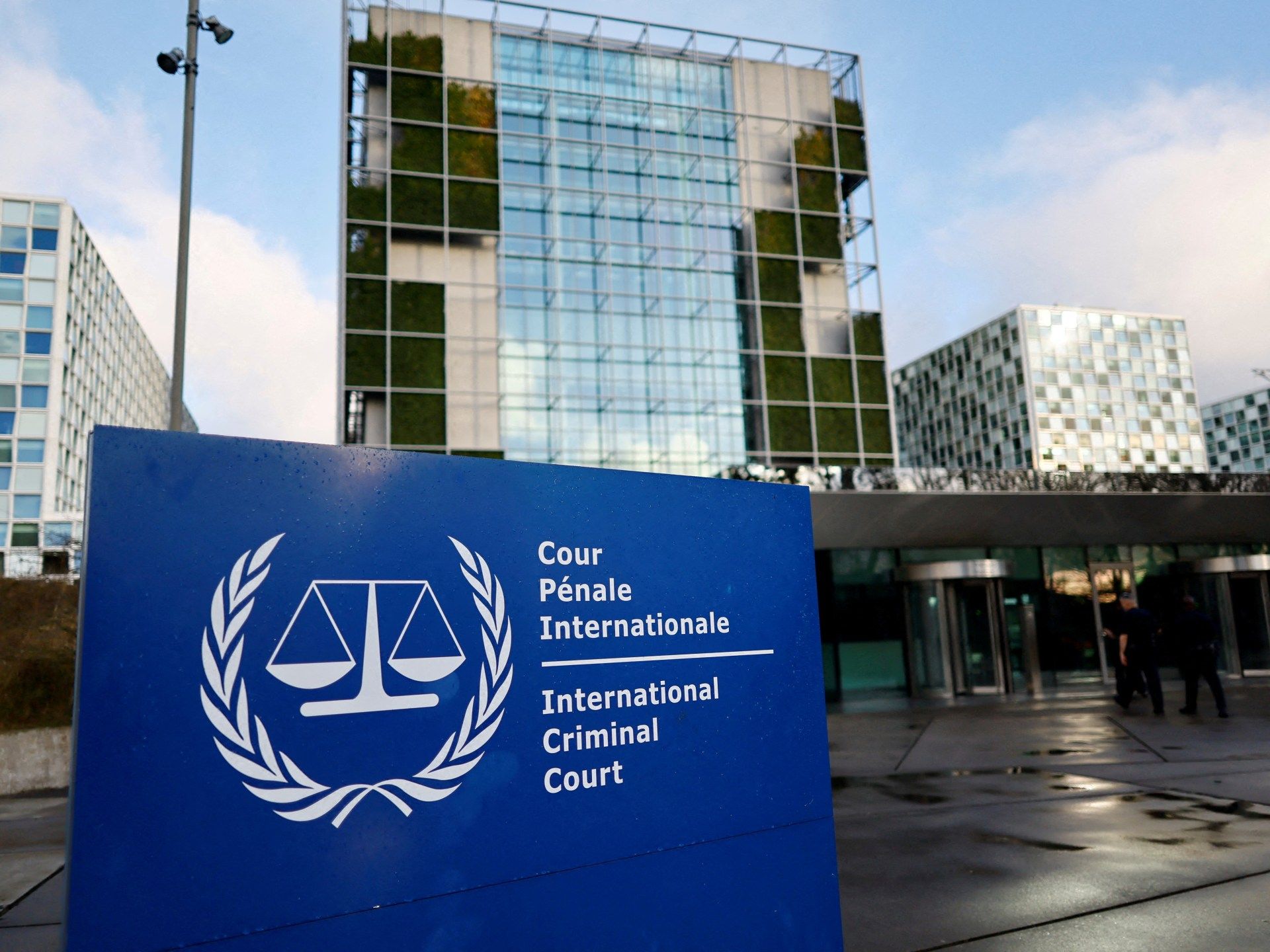
Can authorize military action, impose sanctions, and refer cases to the International Criminal Court.
3. Economic and Social Council (ECOSOC)
Coordinates economic, social, and environmental initiatives.
Oversees specialized agencies like WHO, UNESCO, and ILO.
4. International Court of Justice (ICJ)
Judicial arm based in The Hague.
It is responsible to settle legal disputes between states and provides advise and frame opinions.
5. Secretariat
Led by the UN Secretary-General (currently António Guterres).
Executes UN policies and manages daily operations.
6. Trusteeship Council
Originally designed to oversee decolonization.
Suspended in 1994 as most trust territories gained independence.
The UN’s Role in Peace and Security
One of the UN’s key instruction is the maintenance of international peace and security. It does this through:
1. Conflict Prevention and Mediation
The UN often acts as a neutral mediator in territorial disputes, civil wars, and international conflicts (e.g., Iran nuclear talks, Israeli-Palestinian conflict).
2. Peacekeeping Operations
Deploys “blue helmets” to stabilize post-conflict zones.
Notable missions:
UNIFIL in Lebanon
MONUC in the Democratic Republic of Congo
UNMIL in Liberia
While peacekeeping has saved lives, missions in Rwanda and Srebrenica exposed limitations due to weak mandates and lack of political will.
3. Sanctions and Military Action
The UNSC can impose economic sanctions or authorize the use of force (e.g., Korean War 1950, Gulf War 1991, Libya 2011).
However, veto power can paralyze responses—as seen in Syria or Ukraine.
UN and International Law
The UN promotes legal norms and upholds international law through:
1. Codifying International Law
The International Law Commission (ILC) drafts legal texts.
Treaties like the Genocide Convention, Law of the Sea, and Refugee Convention were facilitated by the UN.
2. Judicial Decisions
ICJ rulings shape international jurisprudence (e.g., Nicaragua v. US, Bosnia v. Serbia).
3. ICC and Ad Hoc Tribunals
ICTY, ICTR, and ICC have tried for genocide, war crimes, and crimes against humanity.
Although not a UN body, the ICC works closely with the UN (e.g., Darfur referral by the UNSC).
The UN’s Role in Human Rights
The UN is a global champion of human rights, primarily through:
The Universal Declaration of Human Rights (1948)
Human Rights Council (monitors abuses and conducts periodic reviews)
Special Rapporteurs for thematic and country-specific mandates
Human Rights Treaties (e.g., CEDAW, CRC, ICCPR)
Though criticized for politicization and selectivity, these mechanisms create accountability and global norms.
UN in Sustainable Development and Humanitarian Aid
1. Development Initiatives
UNDP supports governance, poverty eradication, and institutional capacity.
The Millennium Development Goals (MDGs) evolved into the Sustainable Development Goals (SDGs)—a 17-goal roadmap to 2030.
2. Humanitarian Relief
Agencies like UNHCR, WFP, and OCHA provide emergency aid.
Massive operations in Syria, Ukraine, Yemen, and natural disasters like the 2004 tsunami and 2010 Haiti earthquake.
Case Studies of Political Impact
1. Cuban Missile Crisis (1962)
UN diplomacy helped prevent nuclear war through secret talks and public debate in the GA and UNSC.
2. Rwanda (1994)
UNAMIR peacekeepers were ineffective due to a limited mandate.
Genocide unfolded while the UN debated terms of engagement.
3. Iraq (2003)
The US invasion occurred without UNSC authorization, damaging the UN’s credibility.
Sparked debates on unilateralism and international law.
4. Libya (2011)
UNSC approved intervention under R2P.
NATO action led to regime change, raising concerns of overreach.
Criticisms and Limitations
Despite its achievements, the UN faces several criticisms:
Veto Power Paralysis: UNSC’s P5 veto often blocks timely action.
Bureaucracy and Corruption: Inefficiencies and mismanagement erode trust.
Double Standards: Some countries are punished, others protected for political reasons.
Peacekeeping Failures: From Rwanda to Haiti, peacekeepers have been accused of abuse or inaction.
Reform Debates and the Future of the UN
Calls for UN reform include:
Expanding the UNSC to include more countries (e.g., India, Brazil, Germany).
Limiting veto use in cases of mass atrocities.
Making the Secretary-General appointment more democratic.
Increasing funding transparency and performance accountability.
The “Uniting for Consensus” group, African Union proposals, and G4 nations have all presented alternative models, but reforms remain stalled due to geopolitical interests.
Conclusion
The United Nations stands as both a reflection and an agent of world politics. It mirrors the hopes and contradictions of the global order—advocating peace while constrained by power dynamics, promoting rights while facing legitimacy crises, offering aid while underfunded and politically challenged.
Yet, it remains indispensable.
Despite criticisms, there is no other institution with the same universal membership, legal authority, and moral weight. From conflict resolution in Namibia to vaccinations in war zones, from disaster response to setting global goals—the UN has made tangible differences in millions of lives.
It must adapt to a rapidly changing world marked by shifting power centers, technological disruption, climate emergencies, and rising authoritarianism. Reforming the Security Council, depoliticizing human rights mechanisms, enhancing rapid response capabilities, and amplifying voices from the Global South are not just ideal—they are essential.
Multilateralism is not dead, but it needs reinvigoration. As great power rivalries resurface and global cooperation wanes, the UN must become the platform for a new global consensus—one based not on dominance, but on dialogue; not on imposition, but on inclusion.
In an age of disinformation, division, and distrust, the UN must return to its foundational values—of peace, human dignity, and collective responsibility. It must listen more, act quicker, and speak bolder.
As Dag Hammarskjöld once said: “The UN was not created to take mankind to heaven, but to save humanity from hell.” That mission remains. And it is more relevant than ever.
United University
LinkedIN : https://www.linkedin.com/in/kartikey-agrawal-853bbb269?utm_source=share&utm_campaign=share_via&utm_content=profile&utm_medium=android_app
Abstract
The United Nations (UN), since its establishment in 1945, has played a central and evolving role in shaping the political landscape of the modern world. Conceived in the aftermath of the Second World War to prevent another global catastrophe, the UN has grown from a war-prevention mechanism to a comprehensive body addressing multifaceted global challenges—ranging from international peace and security to climate change, human rights, economic development, and humanitarian assistance.
This article presents a detailed examination of the United Nations’ contributions to world politics, including its structures, principles, successes, criticisms, and emerging challenges. With 193 member states and near-universal recognition, the UN is unique in its scope and legitimacy. However, its power and effectiveness are often questioned, particularly due to the structural limitations of its most powerful organ—the Security Council—and the political agendas of powerful member states.
The article begins by tracing the historical background of the UN’s formation, highlighting its Charter, key principles such as sovereign equality, non-intervention, and peaceful dispute resolution. It then explores the organizational structure—focusing on major organs like the General Assembly, Security Council, International Court of Justice, Economic and Social Council, and specialized agencies such as WHO, UNDP, and UNESCO.
A significant part of the article is devoted to the UN’s political role in conflict mediation, peacekeeping, sanction implementation, and its responses to global threats such as nuclear proliferation, terrorism, and mass atrocities like genocide. It also delves into the UN’s role in promoting international law, decolonization, and supporting sustainable development goals (SDGs).
Through key case studies—such as the UN’s role in the Cuban Missile Crisis, Korean War, Rwandan Genocide, Syrian conflict, and more—the article assesses the organization’s political impact. It acknowledges the successes of UN peacekeeping in Namibia, Liberia, and East Timor while also discussing its shortcomings in Rwanda, Bosnia, and current geopolitical crises.
Critically, the article analyses the ongoing debate about UN reforms, especially regarding the Security Council’s veto power and representativeness. It evaluates proposals for expanding membership, improving peacekeeping mandates, enhancing human rights enforcement, and making the UN more democratic and effective.
As the world becomes increasingly multipolar, interconnected, and vulnerable to transnational threats such as pandemics, cyber warfare, and climate change, the role of the UN is more crucial than ever. This article argues that while the UN is not perfect, it remains the most legitimate and indispensable international institution for fostering dialogue, upholding norms, and coordinating collective action.
By examining its legacy, contradictions, and possibilities, the article aims to provide a nuanced, evidence-based understanding of the UN’s centrality in global governance. The conclusion outlines key recommendations for strengthening the UN system and reasserts the necessity of a multilateral approach in preserving global peace and cooperation in an era of uncertainty and fragmentation.
Introduction
The institution of the United Nations marked a great moment in human history. It emerged from the ashes of World War II and the world sought to replace the failed League of Nations with a stronger, more inclusive body to promote peace and prevent future wars. The UN Charter, signed on June 26, 1945, and coming into force on October 24, 1945, laid the foundation for what has become the most comprehensive international organization in history.
This article explores how the UN functions as a political actor on the global stage. It does so by analyzing its structure, key functions, case studies of successes and failures, and the broader implications for international relations in the 21st century.
Historical Context and Founding Principles
The UN was born out of a joint desire to prevent a recurrence of international level conflict and to promote cooperation among different nations. Its formation was heavily influenced by the failure of the League of Nations and the destruction of World War II. The UN Charter was drafted during the San Francisco Conference in 1945 by 50 countries. It enshrined core principles such as:
Sovereign equality of all member states
Peaceful settlement of disputes
Prohibition of the threat or use of force
Non-intervention in domestic affairs
Promotion of human rights and fundamental freedoms
These principles still form the moral and legal framework for UN operations today.
Organizational Structure of the UN
The UN comprises six principal organs:
1. General Assembly (GA)
Composed of all 193 member states, each with one vote.
Discusses and recommends actions on international issues.
Adopts resolutions and oversees the UN budget.
2. Security Council (UNSC)
Composed of 15 members: 5 permanent (P5—US, UK, France, China, Russia) with veto power, and 10 rotating members.
Responsible for maintaining international peace and security.
Can authorize military action, impose sanctions, and refer cases to the International Criminal Court.
3. Economic and Social Council (ECOSOC)
Coordinates economic, social, and environmental initiatives.
Oversees specialized agencies like WHO, UNESCO, and ILO.
4. International Court of Justice (ICJ)
Judicial arm based in The Hague.
It is responsible to settle legal disputes between states and provides advise and frame opinions.
5. Secretariat
Led by the UN Secretary-General (currently António Guterres).
Executes UN policies and manages daily operations.
6. Trusteeship Council
Originally designed to oversee decolonization.
Suspended in 1994 as most trust territories gained independence.
The UN’s Role in Peace and Security
One of the UN’s key instruction is the maintenance of international peace and security. It does this through:
1. Conflict Prevention and Mediation
The UN often acts as a neutral mediator in territorial disputes, civil wars, and international conflicts (e.g., Iran nuclear talks, Israeli-Palestinian conflict).
2. Peacekeeping Operations
Deploys “blue helmets” to stabilize post-conflict zones.
Notable missions:
UNIFIL in Lebanon
MONUC in the Democratic Republic of Congo
UNMIL in Liberia
While peacekeeping has saved lives, missions in Rwanda and Srebrenica exposed limitations due to weak mandates and lack of political will.
3. Sanctions and Military Action
The UNSC can impose economic sanctions or authorize the use of force (e.g., Korean War 1950, Gulf War 1991, Libya 2011).
However, veto power can paralyze responses—as seen in Syria or Ukraine.
UN and International Law
The UN promotes legal norms and upholds international law through:
1. Codifying International Law
The International Law Commission (ILC) drafts legal texts.
Treaties like the Genocide Convention, Law of the Sea, and Refugee Convention were facilitated by the UN.
2. Judicial Decisions
ICJ rulings shape international jurisprudence (e.g., Nicaragua v. US, Bosnia v. Serbia).
3. ICC and Ad Hoc Tribunals
ICTY, ICTR, and ICC have tried for genocide, war crimes, and crimes against humanity.
Although not a UN body, the ICC works closely with the UN (e.g., Darfur referral by the UNSC).
The UN’s Role in Human Rights
The UN is a global champion of human rights, primarily through:
The Universal Declaration of Human Rights (1948)
Human Rights Council (monitors abuses and conducts periodic reviews)
Special Rapporteurs for thematic and country-specific mandates
Human Rights Treaties (e.g., CEDAW, CRC, ICCPR)
Though criticized for politicization and selectivity, these mechanisms create accountability and global norms.
UN in Sustainable Development and Humanitarian Aid
1. Development Initiatives
UNDP supports governance, poverty eradication, and institutional capacity.
The Millennium Development Goals (MDGs) evolved into the Sustainable Development Goals (SDGs)—a 17-goal roadmap to 2030.
2. Humanitarian Relief
Agencies like UNHCR, WFP, and OCHA provide emergency aid.
Massive operations in Syria, Ukraine, Yemen, and natural disasters like the 2004 tsunami and 2010 Haiti earthquake.
Case Studies of Political Impact
1. Cuban Missile Crisis (1962)
UN diplomacy helped prevent nuclear war through secret talks and public debate in the GA and UNSC.
2. Rwanda (1994)
UNAMIR peacekeepers were ineffective due to a limited mandate.
Genocide unfolded while the UN debated terms of engagement.
3. Iraq (2003)
The US invasion occurred without UNSC authorization, damaging the UN’s credibility.
Sparked debates on unilateralism and international law.
4. Libya (2011)
UNSC approved intervention under R2P.
NATO action led to regime change, raising concerns of overreach.
Criticisms and Limitations
Despite its achievements, the UN faces several criticisms:
Veto Power Paralysis: UNSC’s P5 veto often blocks timely action.
Bureaucracy and Corruption: Inefficiencies and mismanagement erode trust.
Double Standards: Some countries are punished, others protected for political reasons.
Peacekeeping Failures: From Rwanda to Haiti, peacekeepers have been accused of abuse or inaction.
Reform Debates and the Future of the UN
Calls for UN reform include:
Expanding the UNSC to include more countries (e.g., India, Brazil, Germany).
Limiting veto use in cases of mass atrocities.
Making the Secretary-General appointment more democratic.
Increasing funding transparency and performance accountability.
The “Uniting for Consensus” group, African Union proposals, and G4 nations have all presented alternative models, but reforms remain stalled due to geopolitical interests.
Conclusion
The United Nations stands as both a reflection and an agent of world politics. It mirrors the hopes and contradictions of the global order—advocating peace while constrained by power dynamics, promoting rights while facing legitimacy crises, offering aid while underfunded and politically challenged.
Yet, it remains indispensable.
Despite criticisms, there is no other institution with the same universal membership, legal authority, and moral weight. From conflict resolution in Namibia to vaccinations in war zones, from disaster response to setting global goals—the UN has made tangible differences in millions of lives.
It must adapt to a rapidly changing world marked by shifting power centers, technological disruption, climate emergencies, and rising authoritarianism. Reforming the Security Council, depoliticizing human rights mechanisms, enhancing rapid response capabilities, and amplifying voices from the Global South are not just ideal—they are essential.
Multilateralism is not dead, but it needs reinvigoration. As great power rivalries resurface and global cooperation wanes, the UN must become the platform for a new global consensus—one based not on dominance, but on dialogue; not on imposition, but on inclusion.
In an age of disinformation, division, and distrust, the UN must return to its foundational values—of peace, human dignity, and collective responsibility. It must listen more, act quicker, and speak bolder.
As Dag Hammarskjöld once said: “The UN was not created to take mankind to heaven, but to save humanity from hell.” That mission remains. And it is more relevant than ever.
FAQS
Q1. What is the United Nations (UN) and when was it established?
A: The United Nations is an international organization founded on 24 October 1945, after World War II, to promote peace, security, and cooperation among countries. It started with 51 member states and now has 193 members, making it a near-universal body for global diplomacy.
Q2. What are the main goals of the UN in world politics?
A: The UN aims to: Maintain international peace and security Promote human rights Foster social and economic development Uphold international law Coordinate humanitarian aid in emergencies.
Q3. What are UN peacekeeping missions and are they effective?
A: UN peacekeepers are deployed in conflict zones to help maintain ceasefires, protect civilians, and assist in post-conflict recovery. Their effectiveness varies, but they have played a key role in countries like Sierra Leone, Liberia, and East Timor.
Q4. How does the UN promote development and reduce poverty?
A: Through agencies like the UNDP (United Nations Development Programme), UNICEF, and World Bank, the UN supports education, health care, infrastructure, and economic reforms in developing countries. It also guides global development goals such as the Sustainable Development Goals (SDGs).
Q5. In what way does the UN support human rights?
A: The UN has set global standards through the Universal Declaration of Human Rights (1948). The Human Rights Council, UNHCR, and other bodies monitor abuses, advocate for victims, and assist nations in improving their human rights records.
Q6. How does the UN deal with global challenges like climate change?
A: The UN facilitates international cooperation on climate through frameworks like the UNFCCC (United Nations Framework Convention on Climate Change). It hosts major climate conferences (like COP) and supports countries in transitioning to sustainable practices.
Q7. Is the UN still relevant in today’s world politics?
A: Yes, despite criticisms of bureaucracy and political bias, the UN remains a central platform for multilateral diplomacy. It provides a neutral space for countries to engage, negotiate, and resolve global problems collectively.
Q8. What are some major criticisms of the UN?
A: Common criticisms include: Inefficiency and slow response in crises Veto power abuse by permanent members of the Security Council Inequity in power structure, as developing countries have limited say Inadequate funding and overreliance on major donor countries
Q9. What is the role of the UN General Assembly in world politics?
A: The UN General Assembly is the main deliberative body where all member nations have equal voting rights. While it cannot enforce decisions, its resolutions shape global norms and reflect international consensus.
Q10. How does the UN handle humanitarian crises like wars, natural disasters, or pandemics?
A: Agencies like UNHCR, WFP, WHO, and OCHA coordinate relief efforts. They provide food, shelter, medical aid, and logistical support to affected areas. The UN also mobilizes global funding and volunteers during crises.
Q11. How can ordinary people engage with or benefit from the UN’s work?
A: Citizens can: Work or intern with UN bodies Participate in UN programs at local or regional levels Raise awareness about UN goals (like the SDGs) Support NGOs partnered with the UN Its actions also impact lives globally through peace efforts, vaccinations, education, climate policies, and disaster relief.