
Author: Shilpa Mandal, Centurion University of Technology and Management, Bhubaneswar
ABSTRACT:
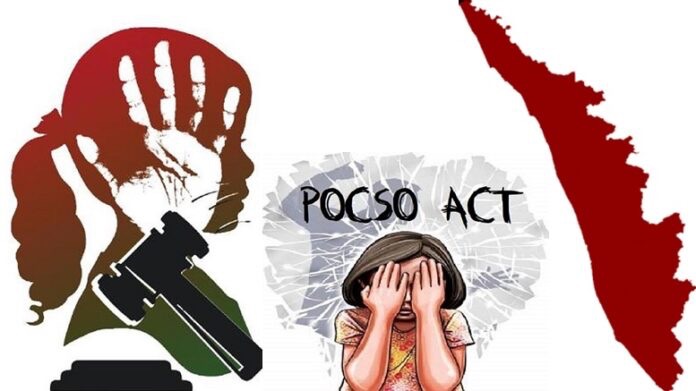
The Constitution of India, enacted the protection of Children from Sexual Offences Act, 2012, commonly known as the POCSO Act with the aim of safeguarding children from sexual abuses and exploitation by following strict legal procedures such as mandatory reporting, in – camera trials and media confidentiality of the identity of the victim. The Act focuses strongly on the protection of the children but it also raises issues specially related to their privacy. After the SC of India acknowledges that the Right to Privacy is one of the fundamental rights under Article 19 of the Indian Constitution, it became very crucial to safeguard the dignity and well – being of the children who were specially involved in sexual offences cases. This article is mostly about the inter – relation between the privacy and protection of children. This article adopts a doctrinal and analytical approach by examine those relevant Statutory Provisions, judicial decisions and guidelines.
Therefore, this article supports a balanced and a very child – friendly approach that keeps children safe while also respecting their right to privacy.
TO THE POINT:
Children are the gift of the universe and the manifestation of life itself. They are the universe’s continuity and the bearers of future symbolizing hope, a new beginning and the continuation of life dynamically. They are the most innocent and curious creatures in the land and every child deserves happiness, love, care, education and protection. These things are their rights and no one can violate them. But unfortunately, not all children get all these things. They were unable to enjoy them as they have to faced many obstacles or challenges in their life. The main issues were due to poverty, lack of education, child labor, abuse, insecurity or may be even neglect and for this their mind gets occupied with the thoughts of anxiety, uneasiness, uncertainty and also lack of confidence resulting in making them emotionally as well as mentally unstable, hence becoming most vulnerable sections of the society. Due to this vulnerability, children also became a victim of sexual harassments. These sexual offences against the children not only hurt themphysically but also it leaves a very deep and long emotional as well as psychological trauma. This is indeed a very serious issue as not only the harm is done to the children, the society but it is directly harming the nation also as the children were the future of the nation. Addressing this serious issue, the Parliament of India had enacted the Protection of Children from Sexual Offences Act, 2012, which is also commonly called as the POSCO Act, 2012; with the aim of protecting all children from sexual abuses or offences. However, while applying the child protection measures under the POCSO Act, many conflictsoften arise with the privacy rights of the children. For instance, if a child is a victim of sexual offences, any kind of personal details or identity revelations can lead to social stigma, embarrassment giving the child a mental breakdown or even leads to trauma or even worse forcing the child to take its own life due to all those stresses and pressures. So, keeping all these things in mind, it was decided that the Act will also include some several provisions to protect the child’s identity and dignity by conducting trials in cameras and also prohibiting the publications of any information or data that may reveal the identity of the victim. Thus, ensuring the overall well – being of the child.
USE OF LEGAL JARGONS:
The protection of Children from sexual offences Act, 2012 is based on the constitutional right to life and dignity under Article 21 of the Constitution of India. For children, these right includes not only physical protection but also the protection of their privacy, identity and mental well-being during investigation and trial sessions.
A key idea under this Act is the principle of “Best Interests of the Child” which means that every action taken by the people in authorities must focus on the safety, welfare and overall well-being of the child and should not cause any more harm or stress or further trauma to the child.
This Act also provides for in – camera trials, which states that as in this type of cases the most vulnerable section i.e., the child victims are involved so they must be heard in private ensuring confidentiality about their identity and emotional or psychological distress and are not open to the general public.
It also promotes child-friendly justice where the authorities must deal with the victims in a gentle, supportive and understanding way. It ensures that the statements should be recorded carefully and legal procedures should be conducted in a manner that minimizes fear, anxiety and discomfort.
THE PROOF:
The importance of protecting the privacy of child victims under the POCSO Act is evident from the serious consequences that can arise when confidentiality is not maintained. Such incidents often leave a deep emotional impact on children where their confidence, mental health and daily life was affected. If their identity becomes known to the public they may face shame, social stigma and unwanted attention making their recovery even more difficult. So, to prevent this, the Act provides safeguards such as keeping the identity of the child confidential and conducting trials in private. These measures help create a safe surrounding where children and their families can seek justice without fear.
However, challenges still remain. Personal information of the victim can sometimes spread through social media, news reports or careless handling of cases, making the victim expose to the social stigma, embarrassment or even unwanted attention. In some situations, repeated questioning during trials may also cause additional emotional stress to the child as they are required to recall traumatic experiences multiple times. Delays in legal proceedings can further increase anxiety and affect the child’s recovery. Therefore, it is necessary for the authorities, organizations and society to work together to strictly follow privacy protections and adopt a child-friendly approach ensuring that children feel safe, respected and supported throughout the legal process.
CASE LAWS:
• JUSTICE K.S. PUTTASWAMY v. UOI (2017)
In this landmark case, the Supreme Court held that the Right to Privacy is a fundamental right under Article 21 of the Constitution. The Court recognized privacy as an important part of an individual’s dignity and personal liberty. This judgement strengthens the need to protect the identity and privacy of child victims under the POCSO Act.
• NIPUN SAXENA v. UNION OF INDIA (2018)
The Supreme Court ruled that the identity of victims of sexual offences must not be disclosed. The court issued guidelines to ensure confidentiality and protect victim from social stigma and public exposure.This case highlights the importance of safeguarding the privacy of child victims.
• EERA v. STATE (NCT OF DELHI) (2017)
The Supreme Court emphasized that the POCSO Act is a welfare – oriented legislation enacted to protect children from sexual offences. The Court adopted a child-centric approach while interpreting the provisions of the Act and stressed the importance of safeguarding children’s rights.
• ALAKH ALOK SRIVASTAVA v. UNION OF INDIA (2018)
The Supreme Court stressed the need for proper care, protection and rehabilitation of child victims. The Court emphasized that children involved in sexual offences cases must be treated with sensitivity and provided with a safe environment throughout the legal process.
• SAKSHI v. UNION OF INDIA (2004)
The Court highlighted the need for child-friendly procedures in cases involving sexual abuse. It observed that the process of investigation and trial should be conducted in a manner that reduces fear and trauma for child victims.
• INDEPENDENT THOUGHT v. UNION OF INDIA
The Supreme Court strengthened child rights by reading down the marital rape exception in cases involving minor wives. The judgement reaffirmed that the dignity, bodily integrity and best interests of children must be protected at all times.
CONCLUSIONS:
The POCSO Act, 2012 plays a very important role in safeguarding children from sexual abuse and exploitation. Along with providing legal protection, the Act also recognizes the need to protect the privacy, dignity and emotional well-being of the victim. Measures such as confidentiality of identity, in-camera trials and child- friendly approach helps in ensuring that children should not be subjected to any further trauma during the legal process.
However, challenges such as identity disclosure, social stigma and the misuse of any online digital platforms continues to threatens the privacy of the victims. While the law provides adequate safeguards, their effective implementation remains essential. The authorities, organizations and society with the help of digital platform must work together to ensure that children are treated with care and respect.
Thus, Child protection and privacy should not be viewed as separate objectives. Both are essential for ensuring justice and promoting the best interest of the child. A balanced and child-friendly approach is necessary to create a legal system where not only the protection but along with that the preservation of their dignity, privacy and overall well-being is also considered.
FAQS:
• What is the main objective of the POCSO Act?
The POCSO Act aims to protect children from sexual abuse, harassment and exploitation through a child-friendly legal framework.
• How does the POCSO Act protect the privacy of child victims?
The Act prohibits disclosure of a child’s identity and provides for in-camera trials to maintain confidentiality.
REFERENCES:
• Protection of Children from Sexual Offences Act, 2012.
• https://www.Constitution.of.India.com

