Author: Aishwarya Lakshmi. M, Vel Tech Rangarajan and Dr. Sagunthala R&D Institute of Science and Technology
TO THE POINT
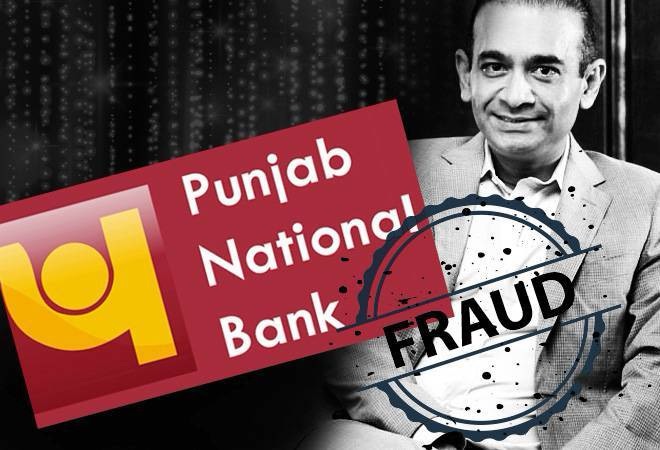
The Punjab National Bank (PNB) Fraud Case, commonly known as the Nirav Modi Scam, is one of the largest banking frauds in India’s financial history. The fraud came to light in February 2018 when Punjab National Bank reported unauthorized transactions amounting to approximately ₹13,000 crore involving prominent diamond merchants Nirav Modi and Mehul Choksi. The scam exposed serious deficiencies in the banking system, internal controls, and regulatory oversight mechanisms.
At the heart of the fraud was the misuse of Letters of Undertaking (LoUs), a banking instrument used to obtain short-term credit from overseas branches of Indian banks. Certain officials of PNB’s Brady House Branch in Mumbai allegedly issued LoUs without recording them in the bank’s Core Banking System (CBS). By exploiting the gap between the SWIFT messaging system and the CBS platform, the accused were able to secure foreign credit repeatedly for several years without detection.
The scandal revealed how a combination of corporate misconduct, employee collusion, weak internal auditing, and inadequate risk management can undermine the stability of financial institutions. Investigations conducted by the Central Bureau of Investigation (CBI), the Enforcement Directorate (ED), and other regulatory agencies uncovered allegations of criminal conspiracy, cheating, forgery, corruption, money laundering, and abuse of official position.
Beyond the financial loss suffered by Punjab National Bank, the fraud significantly affected public confidence in the banking sector. It prompted regulatory reforms by the Reserve Bank of India, stricter compliance requirements for banks, and renewed discussions on corporate governance and accountability in financial institutions. The case serves as a landmark example of how failures in governance and oversight can facilitate large-scale economic offences and highlights the urgent need for transparency, technological integration, and institutional vigilance in India’s banking system.
USE OF LEGAL JARGON
The Punjab National Bank Fraud Case involves several important legal concepts and statutory provisions that collectively establish the criminal and financial liability of the accused persons. The allegations primarily revolve around offences such as criminal conspiracy, cheating, criminal breach of trust, forgery, money laundering, and corruption, which are punishable under various Indian laws.
The offence of criminal conspiracy under Section 120B of the Indian Penal Code, 1860 (now Section 61 of the Bharatiya Nyaya Sanhita, 2023) arises when two or more persons agree to commit an illegal act or a legal act through illegal means. In the PNB scam, investigators alleged that Nirav Modi, Mehul Choksi, their associates, and certain bank officials acted in concert to obtain fraudulent Letters of Undertaking (LoUs), thereby causing wrongful loss to the bank and wrongful gain to themselves.
The offence of cheating under Section 420 IPC involves dishonestly inducing a person or institution to deliver property or valuable security. By securing credit facilities through unauthorized LoUs and concealing transactions from the bank’s records, the accused allegedly deceived Punjab National Bank and overseas lending institutions. The fraudulent acts also attracted provisions relating to forgery of valuable security and the use of forged documents as genuine.
Another significant legal concept in this case is money laundering, governed by the Prevention of Money Laundering Act, 2002. The Enforcement Directorate alleged that proceeds obtained through fraudulent transactions were routed through multiple domestic and foreign entities to conceal their origin and ownership. Consequently, various movable and immovable assets linked to the accused were attached and confiscated during the investigation.
The case also involves the principle of vicarious liability of corporate entities, where companies may be held accountable for unlawful acts committed by their directors or key managerial personnel. Furthermore, issues concerning fiduciary duty, due diligence, corporate governance, and banking compliance became central to the investigation because bank officials allegedly failed to exercise the standard of care expected in financial institutions.
From a regulatory perspective, the fraud highlighted violations of Reserve Bank of India guidelines relating to risk management, internal controls, and reconciliation of SWIFT transactions with the Core Banking System. The case therefore represents a classic example of a large-scale economic offence, where sophisticated financial manipulation, abuse of banking procedures, and transnational movement of funds resulted in substantial financial losses and legal consequences.
THE PROOF
The Punjab National Bank (PNB) Fraud Case came to public attention in February 2018 when the bank reported a massive financial irregularity involving fraudulent Letters of Undertaking (LoUs) issued through its Brady House Branch in Mumbai. Investigations revealed that the fraud had been operating for several years and involved a network of companies controlled by diamond merchants Nirav Modi and Mehul Choksi, along with certain bank officials who allegedly facilitated the transactions.
The primary evidence in the case centered on the unauthorized issuance of LoUs. An LoU is a bank guarantee that enables a customer to obtain short-term credit from overseas branches of Indian banks. Normally, every LoU must be recorded in the bank’s Core Banking System (CBS) and issued only after obtaining adequate collateral. However, investigators discovered that certain employees of PNB bypassed these mandatory procedures and transmitted LoUs through the SWIFT messaging system without making corresponding entries in the CBS. As a result, the transactions remained concealed from the bank’s internal monitoring mechanisms and auditors.
The Central Bureau of Investigation (CBI) identified retired Deputy Manager Gokul Nath Shetty and other bank officials as key facilitators of the fraud. According to the First Information Report (FIR), these officials abused their official positions by issuing fraudulent LoUs on behalf of companies associated with Nirav Modi, including Diamonds R Us, Solar Exports, and Stellar Diamonds. The fraudulent guarantees enabled these entities to obtain substantial overseas credit facilities, causing significant financial losses to Punjab National Bank.
Further investigations revealed that the accused companies allegedly used a series of shell entities and overseas subsidiaries located in jurisdictions such as Dubai, Belgium, Hong Kong, and the United States. These entities were allegedly used to route funds, create fictitious transactions, and inflate import figures to secure additional credit facilities. Investigators found evidence suggesting that fresh LoUs were repeatedly obtained to repay earlier liabilities, thereby perpetuating the fraud over several years without detection.
The Enforcement Directorate (ED) traced and attached numerous assets linked to the accused persons, including luxury properties, jewellery, artworks, bank accounts, vehicles, and business interests. Several bank accounts in foreign jurisdictions were frozen, while courts ordered the attachment and recovery of assets believed to constitute proceeds of crime. Investigating agencies also obtained evidence regarding attempts to destroy digital records, influence witnesses, and transfer assets outside India.
Another significant piece of evidence was the failure of senior management and supervisory mechanisms to detect the irregularities despite repeated RBI guidelines requiring reconciliation between SWIFT messages and the Core Banking System. The CBI charge sheet alleged that certain senior officials failed to ensure compliance with regulatory safeguards, thereby allowing the fraudulent scheme to continue unchecked for years.
The cumulative documentary evidence, electronic records, SWIFT transaction logs, banking communications, witness statements, and asset-tracing reports formed the foundation of the prosecution’s case. Together, these materials established a prima facie case of conspiracy, cheating, forgery, corruption, and money laundering, making the PNB fraud one of the most extensively investigated economic offences in India’s history.
ABSTRACT
The Punjab National Bank (PNB) Fraud Case stands as one of the most significant banking scandals in India’s financial history, exposing serious weaknesses in banking governance, regulatory compliance, and internal control mechanisms. The fraud, allegedly orchestrated by diamond businessman Nirav Modi, his uncle Mehul Choksi, their associated companies, and certain officials of Punjab National Bank, involved the fraudulent issuance of Letters of Undertaking (LoUs) through the bank’s Brady House Branch in Mumbai. By exploiting loopholes in the banking system and bypassing mandatory recording procedures, the accused allegedly secured enormous amounts of credit from overseas branches of Indian banks, causing losses amounting to several thousand crores of rupees.
This article critically examines the factual background, legal implications, and regulatory shortcomings associated with the PNB fraud. It analyses the role played by bank officials, the misuse of financial instruments, and the methods allegedly employed to conceal unauthorized transactions over an extended period. The study further explores the applicability of various legal provisions relating to cheating, criminal conspiracy, forgery, corruption, and money laundering under Indian law.
The article also evaluates the impact of the fraud on public confidence in the banking sector and highlights the importance of effective corporate governance, risk management, and technological integration within financial institutions. The responses of investigative agencies such as the Central Bureau of Investigation (CBI), the Enforcement Directorate (ED), and regulatory authorities are examined to understand the broader framework of accountability and enforcement.
Ultimately, the PNB Fraud Case serves as a cautionary example of how deficiencies in oversight and governance can facilitate large-scale economic offences. It underscores the necessity for stronger compliance mechanisms, enhanced transparency, and institutional reforms to safeguard the integrity of India’s banking system and prevent similar financial frauds in the future.
CASE LAWS
1. CBI v. Ramesh Gelli
In CBI v. Ramesh Gelli, the Supreme Court examined the criminal liability of senior banking officials involved in fraudulent financial transactions. The Court held that officials of banking institutions who abuse their position to facilitate unlawful gains can be prosecuted under anti-corruption and criminal laws. The judgment emphasized that banking professionals occupy positions of trust and are expected to exercise due diligence while handling public funds. This principle is highly relevant to the PNB fraud, where bank officials allegedly misused their authority by issuing unauthorized Letters of Undertaking (LoUs), thereby enabling large-scale financial fraud and causing substantial losses to the banking system.
2. State of Gujarat v. Mohanlal Jitamalji Porwal
In State of Gujarat v. Mohanlal Jitamalji Porwal (1987), the Supreme Court observed that economic offences are committed with deliberate calculation and have far-reaching consequences on society and the national economy. The Court stressed that such crimes should be viewed seriously because they affect public confidence in financial institutions and governance structures. The principles laid down in this case directly apply to the PNB fraud, where the alleged misconduct extended beyond individual financial gain and undermined public trust in India’s banking sector.
3. Y.S. Jagan Mohan Reddy v. CBI
In Y.S. Jagan Mohan Reddy v. CBI (2013), the Supreme Court highlighted that economic offences constitute a distinct category of crimes due to their serious impact on the economy and public welfare. The Court held that while considering bail applications in such cases, courts must evaluate the magnitude of the offence, the possibility of influencing witnesses, and the larger public interest involved. This precedent is significant in understanding the judicial approach adopted in the proceedings against Nirav Modi, where concerns regarding flight risk, witness tampering, and international dimensions played an important role.
CONCLUSION
The Punjab National Bank Fraud Case represents a watershed moment in the history of India’s banking sector and serves as a stark reminder of the consequences of weak corporate governance, inadequate internal controls, and regulatory non-compliance. The fraud, allegedly orchestrated by Nirav Modi, Mehul Choksi, their associated entities, and certain bank officials, exposed systemic vulnerabilities that allowed unauthorized Letters of Undertaking (LoUs) to be issued for several years without detection. The case demonstrated how technological loopholes, employee collusion, and ineffective supervision can combine to facilitate large-scale economic offences, resulting in significant financial losses and reputational damage to public institutions.
The investigations conducted by the Central Bureau of Investigation (CBI), the Enforcement Directorate (ED), and other authorities revealed the complex nature of modern financial crimes, where funds can be routed through multiple domestic and international entities to conceal their origin and evade detection. The case further highlighted the importance of accountability at every level of banking administration, from operational staff to senior management. It underscored the necessity of maintaining transparency, enforcing compliance mechanisms, and ensuring that financial institutions adhere strictly to regulatory guidelines.
One of the most significant outcomes of the scandal was the renewed emphasis on banking reforms and corporate governance. Regulatory authorities introduced stricter monitoring systems, strengthened risk management frameworks, and enhanced oversight of international banking transactions. The fraud also prompted discussions regarding the modernization of banking technology, integration of financial communication systems, and the adoption of more robust audit practices to prevent similar incidents in the future.
In conclusion, the PNB Fraud Case is not merely a story of financial misconduct but a lesson in institutional responsibility. It illustrates that public trust in the banking system can only be preserved when transparency, accountability, and ethical governance remain at the core of financial operations. Strengthening these principles is essential to safeguarding the integrity of India’s banking sector and ensuring that economic growth is supported by a secure and trustworthy financial framework.
FAQ (Frequently Asked Questions)
1. What is the Punjab National Bank (PNB) Fraud Case?
The Punjab National Bank Fraud Case is one of India’s largest banking scams, which came to light in February 2018. The fraud involved the unauthorized issuance of Letters of Undertaking (LoUs) by certain officials of PNB’s Brady House Branch in Mumbai to companies linked with Nirav Modi and Mehul Choksi. The scam resulted in losses exceeding ₹13,000 crore and exposed serious deficiencies in banking oversight and risk management.
2. Who were the main accused in the PNB fraud?
The principal accused were Nirav Modi, a prominent diamond merchant, his uncle Mehul Choksi, and several associated companies, including Diamonds R Us, Solar Exports, and Stellar Diamonds. Certain officials of Punjab National Bank were also accused of facilitating the fraudulent transactions by issuing unauthorized LoUs and bypassing established banking procedures.
3. What are Letters of Undertaking (LoUs)?
A Letter of Undertaking (LoU) is a bank guarantee that allows a customer to obtain short-term credit from overseas branches of Indian banks. In the PNB scam, fraudulent LoUs were allegedly issued without proper authorization or entry into the bank’s Core Banking System, enabling the accused to obtain large amounts of credit from foreign lenders.
4. Which laws were invoked in the PNB Fraud Case?
The accused were investigated and prosecuted under various provisions relating to criminal conspiracy, cheating, forgery, criminal breach of trust, corruption, and money laundering. Proceedings were also initiated under the Prevention of Money Laundering Act, 2002 (PMLA), resulting in the attachment and confiscation of assets linked to the alleged proceeds of crime.
5. What role did the CBI and Enforcement Directorate play in the case?
The Central Bureau of Investigation (CBI) conducted the primary criminal investigation into the fraud, filed charge sheets, and pursued legal proceedings against the accused. The Enforcement Directorate (ED) investigated the money laundering aspects of the case, attached assets, froze bank accounts, and traced funds allegedly obtained through fraudulent transactions.